Personal Injury & Employment Law
We concentrate our practice in two areas so we can go deep, not wide. Below is an overview of the specific matters we handle — if your situation isn't listed, call us; many cases overlap these categories.
Injured By Someone Else's Negligence?
If you were hurt because of someone else's carelessness, California law allows you to seek compensation for medical bills, lost wages, and pain and suffering. We handle:

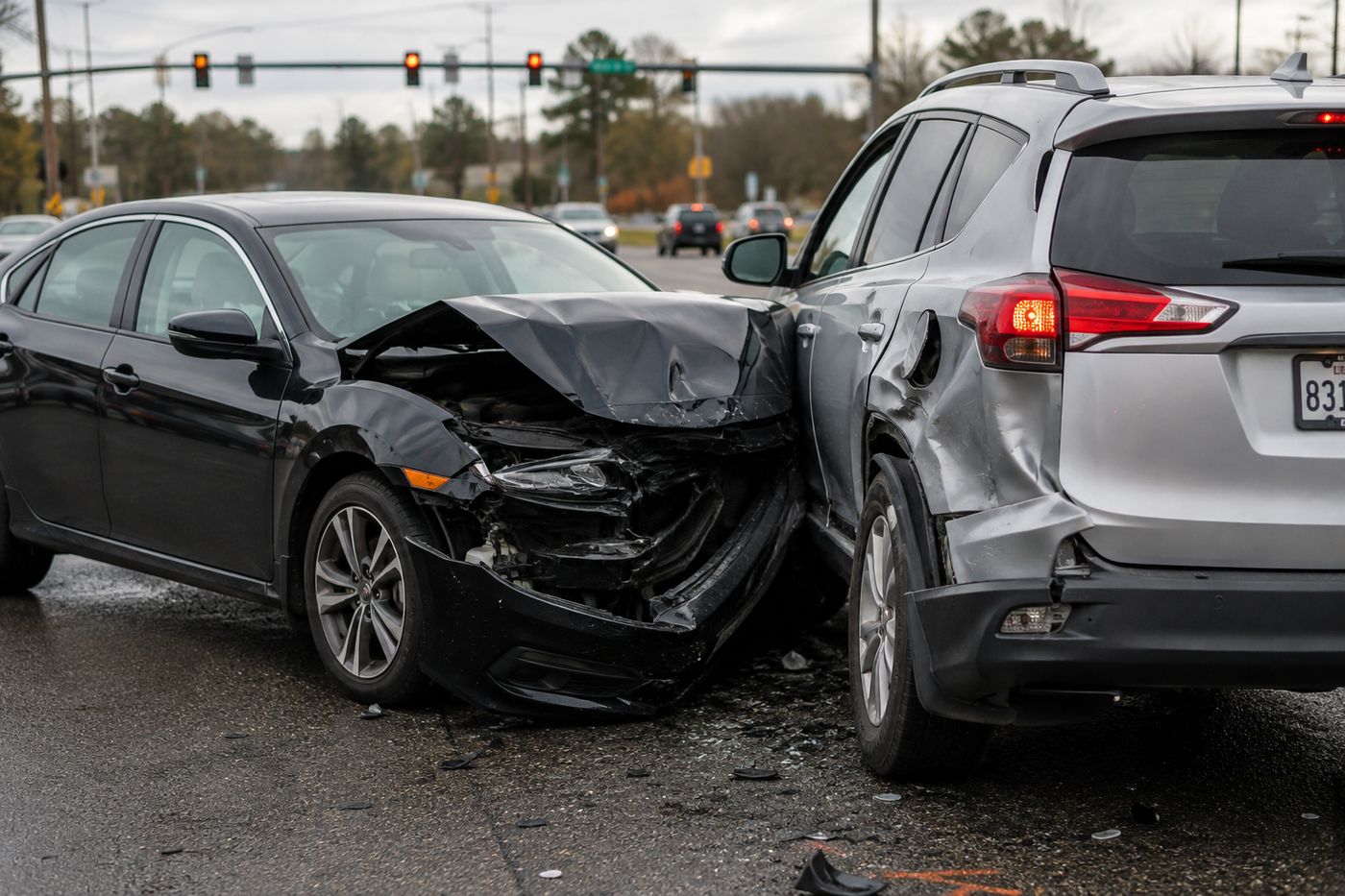
Automobile Accidents
Rear-end collisions, intersection crashes, freeway accidents, and multi-vehicle pileups across Glendale, Los Angeles County, and throughout California.

Motorcycle Accidents
Motorcyclists face a higher risk of catastrophic injury and unfair blame from insurers — we push back on bias against riders.
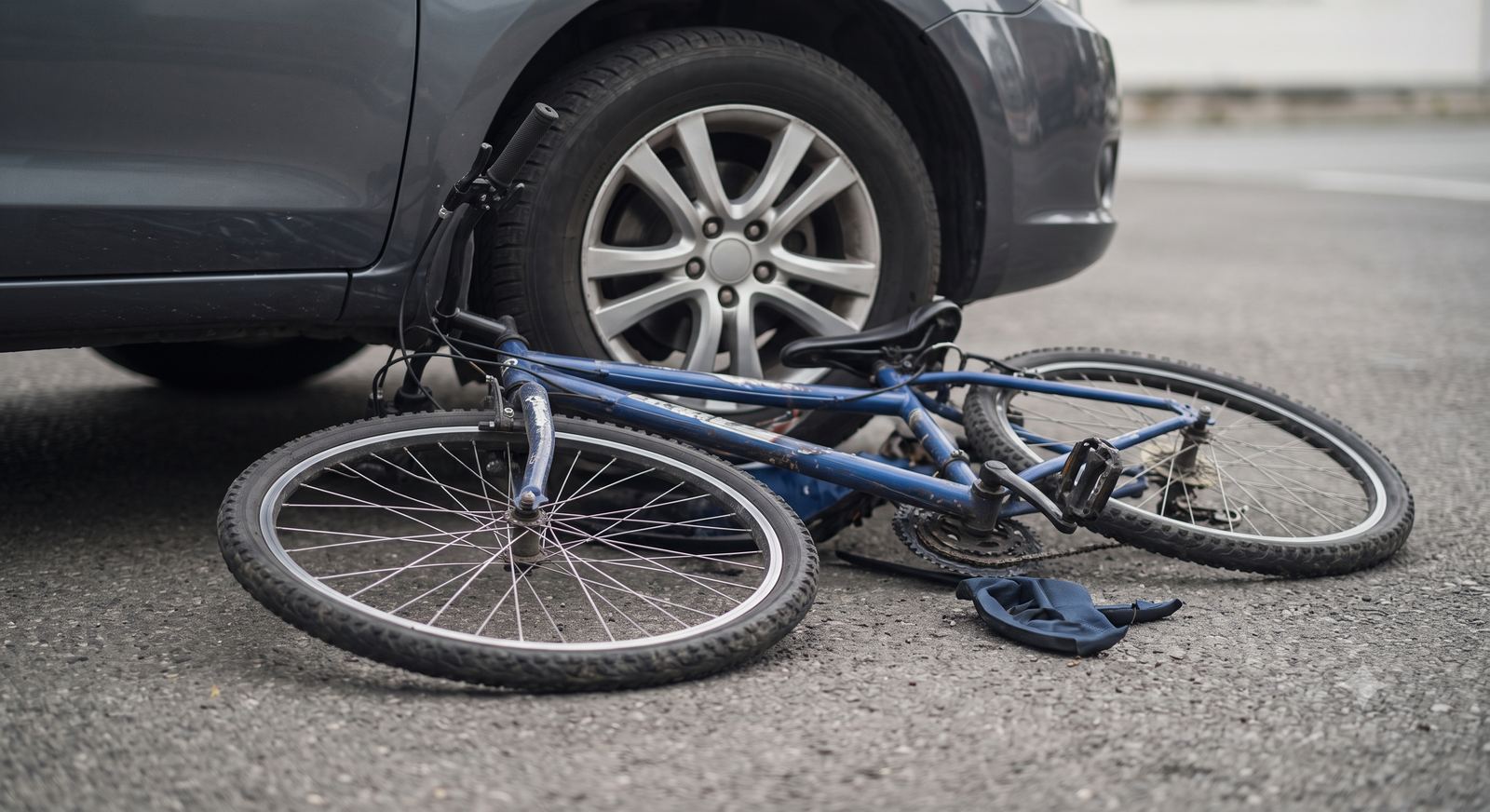
Bicycle Accidents
Collisions with vehicles, dooring incidents, and unsafe road conditions affecting cyclists.
Pedestrian-Vehicle Accidents
Crosswalk collisions, parking lot incidents, and accidents caused by distracted or speeding drivers.
Premises Liability
Injuries caused by unsafe or poorly maintained property — stores, apartment complexes, offices, and public spaces.

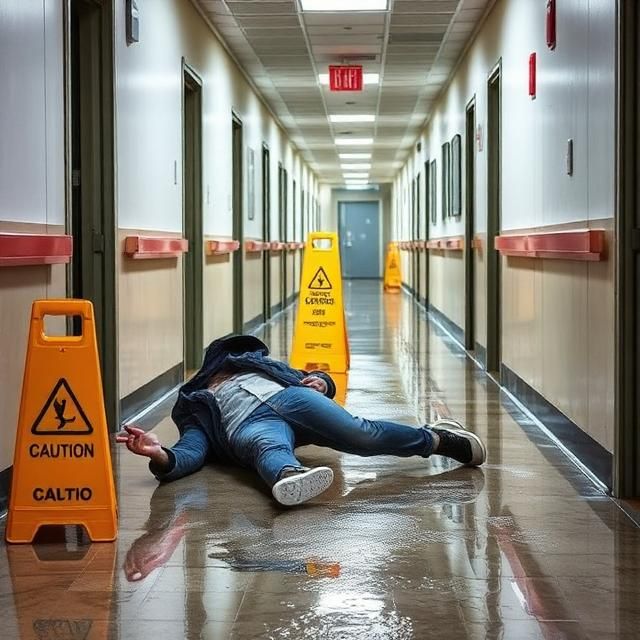
Wet and Slippery Floor Injuries
Slip-and-fall incidents caused by unmarked spills, recently mopped floors, or poor maintenance.

Trip and Fall Injuries
Uneven sidewalks, broken stairs, loose flooring, and poorly lit walkways that cause serious falls.
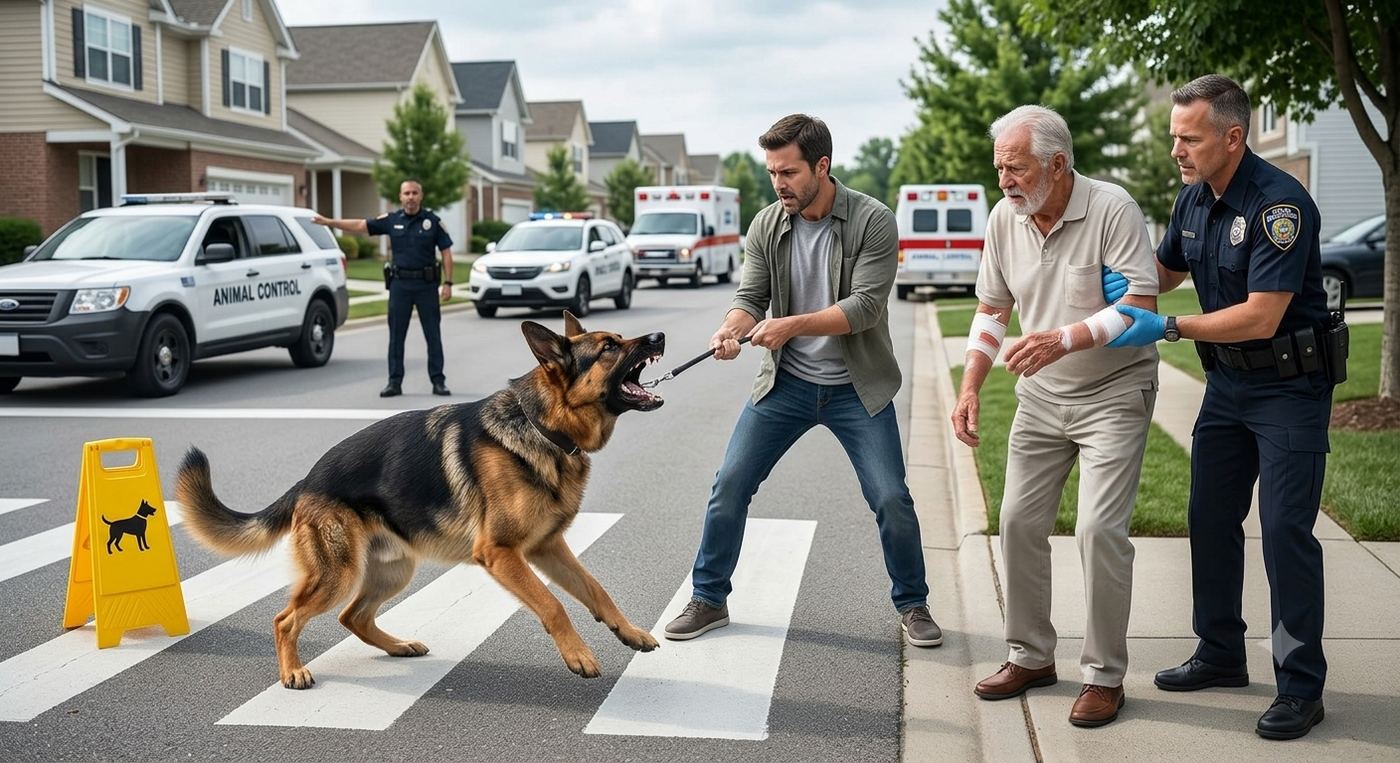
Dog Bites and Animal Attacks
California holds dog owners strictly liable in most cases — we help you understand and pursue your claim.
Treated Unfairly By Your Employer?
California employment law gives workers strong protections. If your employer crossed the line, we help you understand your options and pursue what you're owed.


Wrongful Termination
Fired in violation of California law, an employment contract, or public policy.

Disability Discrimination
Unfair treatment or denied accommodations based on a physical or mental disability.

Pregnancy Discrimination
Being demoted, denied leave, or fired because of pregnancy, childbirth, or a related condition.

Age Discrimination
Unfair treatment in hiring, promotion, or termination because of age, typically affecting workers 40 and older.

Racial Discrimination
Unfair treatment in the workplace based on race, ethnicity, or national origin.

Discrimination Based on Sexual Orientation
Unfair treatment based on sexual orientation or gender identity, protected under California law.

Sexual Harassment
Unwelcome conduct that creates a hostile work environment or is tied to job conditions.
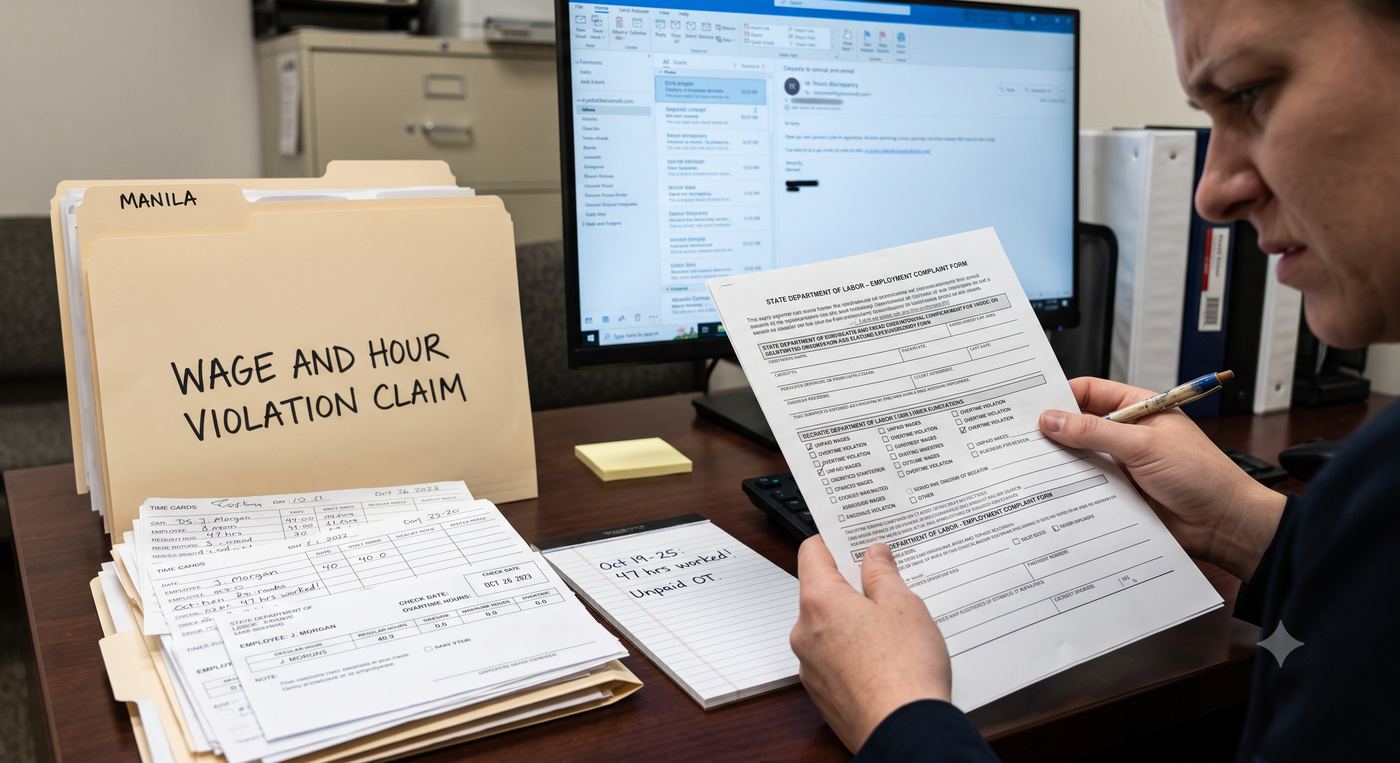
Wage and Hour Violations
Unpaid overtime, missed meal/rest breaks, misclassification, and unpaid final wages.
Frequently Asked Questions
How long do I have to file a personal injury claim in California?
Generally two years from the date of injury (Cal. Code Civ. Proc. § 335.1). Property-damage-only claims generally have three years. If a government entity is involved (a city vehicle, bus, or public property, for example), a much shorter 6-month claim deadline can apply under the California Government Claims Act — so it's important to act quickly when a public entity may be involved.
What if I was partly at fault for the accident?
California follows "pure comparative negligence," meaning you can still recover compensation even if you were partly at fault — your recovery is simply reduced by your percentage of fault. Being told you were "partially responsible" is not the same as having no claim.
How much does a consultation cost?
Nothing. Initial consultations for personal injury and employment law matters are free, with no obligation to hire us afterward.
How are personal injury cases billed?
Personal injury cases are generally handled on a contingency fee basis — you owe no attorney fee unless we recover compensation for you. Exact fee terms and case costs are explained and agreed to in writing before representation begins.
How long do I have to bring an employment claim in California?
Under California's Fair Employment and Housing Act, most employment claims (discrimination, harassment, retaliation) must first be filed with the California Civil Rights Department, generally within three years of the last violation — extended from one year after AB 9 took effect in 2020. If you instead pursue a claim under federal law through the EEOC, the deadline is much shorter, often around 300 days in California. Because deadlines vary by claim type and don't always align, don't wait to speak with an attorney if you believe your rights were violated at work.
Do you handle cases outside of Glendale?
Yes — we represent clients throughout Glendale, Los Angeles County, and across California.
Not Sure Which Category Fits Your Situation?
That's normal — tell us what happened and we'll help you figure out your options. The consultation is free.